The short answer
Sourcing a vehicle from Canada means choosing one specific unit in the Canadian market, checking its title brand, liens and theft status, recording its condition, then shipping it by sea and clearing it at a Nigerian port. Nigeria launched the VehCAP pre-shipment certification programme on 31 March 2026, but the Standards Organisation of Nigeria still lists the service as coming soon, so whether your vehicle needs a certificate has to be confirmed before purchase. The purchase price is only one line of the landed cost, and several Nigerian charges changed on 1 July 2026, so any all-in figure has to be built for the actual vehicle.
Who this route suits, and who it doesn't
Buying abroad trades speed and a test drive for choice and documentation. Whether that trade is worth it depends on what you need.
| Likely to suit you if… | Probably not the right route if… |
|---|---|
| You know the make, model and year band you want | You need a vehicle within days |
| You want title, lien and theft results in writing before you commit | You want to drive the car before any money moves |
| You can wait for sea freight, certification and port clearance | The vehicle you want falls outside Nigeria's age rules |
| You want the exact unit photographed, not a stock image | You expect a fixed all-in price before a specific vehicle has been found |
The decision path, step by step
- Write the requirement down: make, model, year band, trim, engine size, mileage ceiling and the title brands you will accept. The vehicle requirement checklist lists every field and why it matters.
- Search the Canadian market against that requirement. Dealer stock, wholesale channels and auctions all list vehicles differently, so the written specification is what keeps options comparable.
- Check the paperwork before anything else: title brand, registered liens and stolen-vehicle status. See checking a Canadian vehicle's title, liens and theft status.
- Record the condition of the exact unit. Our condition evidence checklist shows which photographs to ask for and what photographs cannot prove.
- Get a written landed-cost quotation. Know which lines are fixed and which are estimates; what makes up the landed cost walks through each one.
- Approve in writing. Nothing should be bought until you have approved that specific vehicle and the funds for that step have cleared.
- Confirm certification, then export and ship. Check whether VehCAP pre-shipment certification is being applied to your vehicle at that point. Canada requires export reporting before a vehicle is loaded onto a ship.
- Clear at a Nigerian seaport and deliver to your state and city.
Rules that can rule a vehicle out
Check these before you fall for a particular car. Each can stop a vehicle at the port regardless of its price or condition.
| Rule | What it means for your vehicle | Status |
|---|---|---|
| VehCAP pre-shipment certification | The SON–NADDC Vehicle Conformity Assessment Programme was launched to certify new and used vehicles before shipment. At the launch, the Minister of State for Industry said uncertified imports would face refusal of clearance, seizure or sanctions. | Launched 31 March 2026 (Vanguard, BusinessDay). SON's service page still lists VehCAP as “Coming soon”, so confirm its current status before purchase or shipment |
| Seaports only | Vehicles may not be imported through Nigeria's land borders. A car shipped to Cotonou and driven across is outside the rules. | In force since 1 January 2017, as reported by Shipping Position |
| Vehicle age | Nigeria Customs' import prohibition list bars used motor vehicles above twelve (12) years from the year of manufacture (HS 8703.10–8703.90). | On the current NCS prohibition list, published on the Nigerian Trade Information Portal. Confirm for the exact model year before purchase |
| Stolen or disputed vehicles | In May 2026, Nigeria Customs handed vehicles traced to Canada and confirmed stolen back to Canada at Tin Can Island Port. | A clean title and theft check is your protection |
Regulations and their enforcement change. This table reflects published reporting on the date above. It isn't legal advice, and the requirements for your vehicle are confirmed during quotation and clearance.
Leaving Canada and arriving in Nigeria
On the Canadian side, a vehicle exported to a country other than the United States is reported to the Canada Border Services Agency with its vehicle identification number. For goods leaving by ship, CBSA Memorandum D20-1-1 sets the deadline at not less than 48 hours before loading. The carrier must hold the export proof-of-report number before the vehicle leaves Canada.
Freight goes either roll-on/roll-off, where the vehicle is driven onto the ship, or in a container. The right choice depends on the vehicle, the sailing and the quotation, so we price the option that suits the specific unit rather than publishing a standard rate.
On arrival, the vehicle is cleared at the Nigerian port named in the quotation and delivered to the state and city you specified. Customs clearance is coordinated through appropriate third parties.
What Vastlane does, and what it doesn't
Canada is one source market Vastlane can use for whole vehicles, not the only one: the market for your vehicle is chosen against your requirement and stated in the quotation. We take your written requirement and coordinate the transaction through to delivery.
| We do | Confirmed per quotation | Outside our control |
|---|---|---|
| Search the Canadian market against your written specification | The freight method, sailing and arrival port | Customs valuation, duty rates and policy changes |
| Check title and history status before a unit is presented to you | Clearance, port and terminal charges | Sailing schedules and port congestion |
| Photograph the exact unit before you decide | Inland delivery to your state and city | Exchange-rate movements before a payment is made |
| Provide a written landed-cost quotation, not a vehicle-only price | Timelines, documentation and payment terms | Certification decisions made by the conformity assessment body |
Vastlane isn't a lender and doesn't give legal advice. Salvage and rebuilt titles are handled openly and never disguised. The vehicles shown on our Automotive & Trucks page are examples of previously sourced work, not stock for sale.
What our previous vehicle files look like
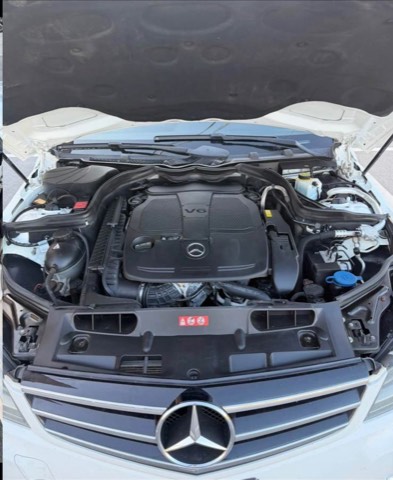
Browse the previously sourced vehicles to see complete photo sets. They show the kind of evidence you should expect for a vehicle being considered for you.
Questions buyers ask
| Question | Short answer |
|---|---|
| Can a Canadian vehicle be brought in through Cotonou by road? | No. Vehicle imports must come through Nigerian seaports; the land-border route has been closed to vehicles since 2017. |
| Can I buy a car branded Rebuilt? | It's possible if the brand is disclosed and you accept it in writing. In Ontario, Rebuilt means a former Salvage vehicle that was repaired and passed a structural inspection. An Irreparable vehicle is for parts or scrap only. |
| How long does it take? | It depends on the search, certification, sailing and clearance for the specific vehicle. We give the expected timeline in the quotation rather than promise a fixed number of weeks. |
| Can you guarantee the customs amount? | No. Nigeria Customs assesses the charges at clearance, and rates changed in July 2026. The quotation shows our estimate and its basis. |
| Is anything bought before I approve it? | No. Nothing is purchased without your written approval of that specific vehicle and cleared funds for that step. |
Sources
External facts on this page come from these sources, each read on 15 October 2026. Regulations change; requirements for your vehicle are confirmed during quotation and clearance. This guide is not legal or financial advice.
- FG launches VehCAP to tackle unsafe vehicle imports — Vanguard
- FG introduces “no certification, no entry” rule for imported vehicles — BusinessDay
- Nigeria halves Customs duties on vehicle imports ahead of new green tax surcharge — BusinessDay (29 June 2026)
- Memorandum D20-1-1: Exporter Reporting — Canada Border Services Agency
- Mandatory Vehicle Branding Program — Government of Ontario
- Customs returns stolen exotic cars to Canadian authority — Blueprint (11 May 2026)
- New policy on vehicle importation — Shipping Position
- Import Prohibition List (Nigeria Customs Service): prohibited items — Nigerian Trade Information Portal
- International product certification (VehCAP listed as “Coming soon”) — Standards Organisation of Nigeria
- Customs continues nationwide sensitisation on green tax ahead of July 1 implementation — Nigeria Customs Service (1 July 2026)